
Safeguarding
@ St. Anthony’s Catholic Parish
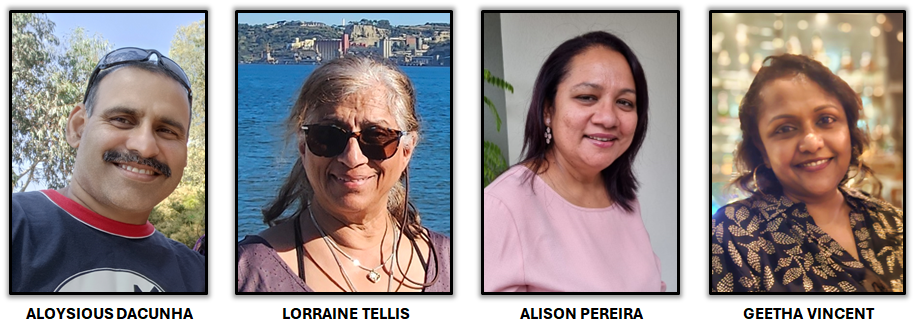
Safeguarding Committee
In seeking to provide safe and enriching environments for children and young people at St. Anthony’s Catholic Parish of Melton South, the Parish has set out key selection, recruitment and screening processes that consider the suitability and appropriateness of the following persons as the Parish’s Safeguarding Committee.
Feel free to contact the Safeguarding Committee on any concerns or to bring any safety matters to our attention. Please note, all calls or emails will be treated with strict confidentiality.
The Catholic Archdiocese of Melbourne Safeguarding Officer of the Western Region
Hailey Elkington
Email: hailey.elkington@cam.org.au
Phone: 0467 089 265
Any person (e.g. child, young person, adult, priest, employee, volunteer) can make a report in relation to current or historical child abuse or child safety related misconduct.
If you see something,
say something,
REPORT NOW
by phone or email
If you don’t feel safe, contact
— A family member or a trusted person you feel safe talking to at home, school or church
— Safeguarding Committee of St. Anthony’s Catholic Parish on 0431 012 511 or parish.safeguard@gmail.com
— Police on 000
— Kidshelpline on 1800 551 800
Understanding cultural safety for Aboriginal children and young people
Cultural safety for Aboriginal children and young people
Culture is vital for the safety and wellbeing of Aboriginal children and young people.
Cultural safety involves welcoming Aboriginal children and young people, and their families into your organisation, and supporting them to express their culture and enjoy their rights.
Establishing culturally safe environments for Aboriginal children is also a legal requirement under the Child Safe Standards:
Child Safe Standard 1 requires organisations to establish a culturally safe environment in which the diverse and unique identities and experiences of Aboriginal children and young people are respected and valued.
The following guide(s) will help you build your understanding of what cultural safety means and why it is important to the safety and wellbeing of Aboriginal children and young people. It follows an evidence-based approach to establishing a culturally safe environment for Aboriginal children and young people.
Understanding cultural safety for Aboriginal children and young people is a guide to understanding the importance of cultural safety for Aboriginal children and young people and how to establish a culturally safe environment. This means welcoming Aboriginal children, young people and their families, supporting them to express their culture and to enjoy their rights, and not allowing racism.
There are many ways to create a culturally safe organisation. Here’s some Tips for creating a culturally safe environment and ideas to help you get started.
One way to help people feel their culture and identity is respected is to demonstrate respect for things that matter to them. Days of importance for Aboriginal communities highlights key days of importance for Aboriginal children and young people, their families, and communities.
RESOURCES
Catholic Archdiocese Melbourne Resources
- Safeguarding Children and Young People Reporting Procedure
- INFO SHEET Responding to disclosures
- INFO SHEET Categories of Abuse
- Reporting Abuse or Safety Related Misconduct Flowchart 2024 Poster
More information available at the Catholic Archdiocese of Melbourne website
Recorded webinars
- Cyberbullying and online drama: (Suitable for parents and carers of young people aged 11 to 18 years old)
- Online sexual harassment and image-based abuse video: (Suitable for parents and carers of young people aged 13 to 18 years old)
Commitment to the safety of children and young people
A culture of safety within the Church ensures that children and young people can actively and fully participate in the life of the Church and realize their potential in a faith community.
By the directive of the Catholic Archbishop of Melbourne Peter A Comensoli, this commitment extends to clergy, employees and volunteers within the Archdiocese, regardless of their role or level of responsibility to act to safeguarding children and young people from abuse.
The wellbeing of children and young people in our care must always be our first priority – all children and young people in the Catholic Archdiocese of Melbourne have the right to feel safe and be safe. Safety ensures the continuation of the many positive and enriching interactions that are afforded to children and young people through their participation in the Church.
– Catholic Archdiocese of Melbourne